











































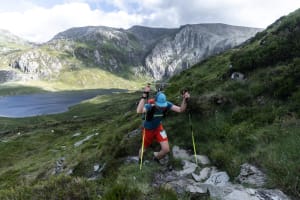








































































5 tips to improve your trail running
1. Prioritise functional strength training Forget old/school strength training focused on hypertrophy. Trail running requires a functional approach that incorporates multi-joint workouts such as squats, lunges, deadlifts and step-ups, all of which simulate real mountain running movements. You can also add free weights or train on unstable surfaces to improve your balance and proprioreception (i.e. body awareness).
2. Don't forget your core A strong core is essential for good posture and technique, particularly when running downhill or on technical terrain. Incorporate workouts that include planks, bridges, bird dogs, or Russian twists at least twice a week. Core training also improves lumbar-pelvic stability, which is key to reducing the risk of injury and optimising your running stride.
3. Do strength training all year round (with a plan) Many runners skip strength training during the peak racing season. However, periodisation is key, with more intense training in the pre-season and lighter routines during competitions. All you need is 1-2 sessions per week to maintain your gains and prevent muscle loss.
4. Add eccentric exercises Downhill running involves a lot of eccentric muscle activation, especially in the quadriceps and hamstrings. Try adding eccentric exercises like slow squats, controlled downward jumps, or Romanian deadlifts to strengthen your muscles and improve your impact resistance and control on downhill runs.
5. Add explosive strength and plyometrics To tackle tough hills or react to changes in pace, you need to work on your explosiveness. Add short plyometric sessions (jumping, skipping, bounding, etc.) or explosive exercises like jump squats or side jumps to your routine to take your performance to the next level.
Conclusion You can't get better at trail running just by racking up miles in the mountains. You have to build a solid foundation of functional, specific strength. These five tips will help you perform better on climbs and downhill sections, reduce your risk of injury, and elevate your running performance.

